

Book cover marketing: how your cover becomes your best marketing asset
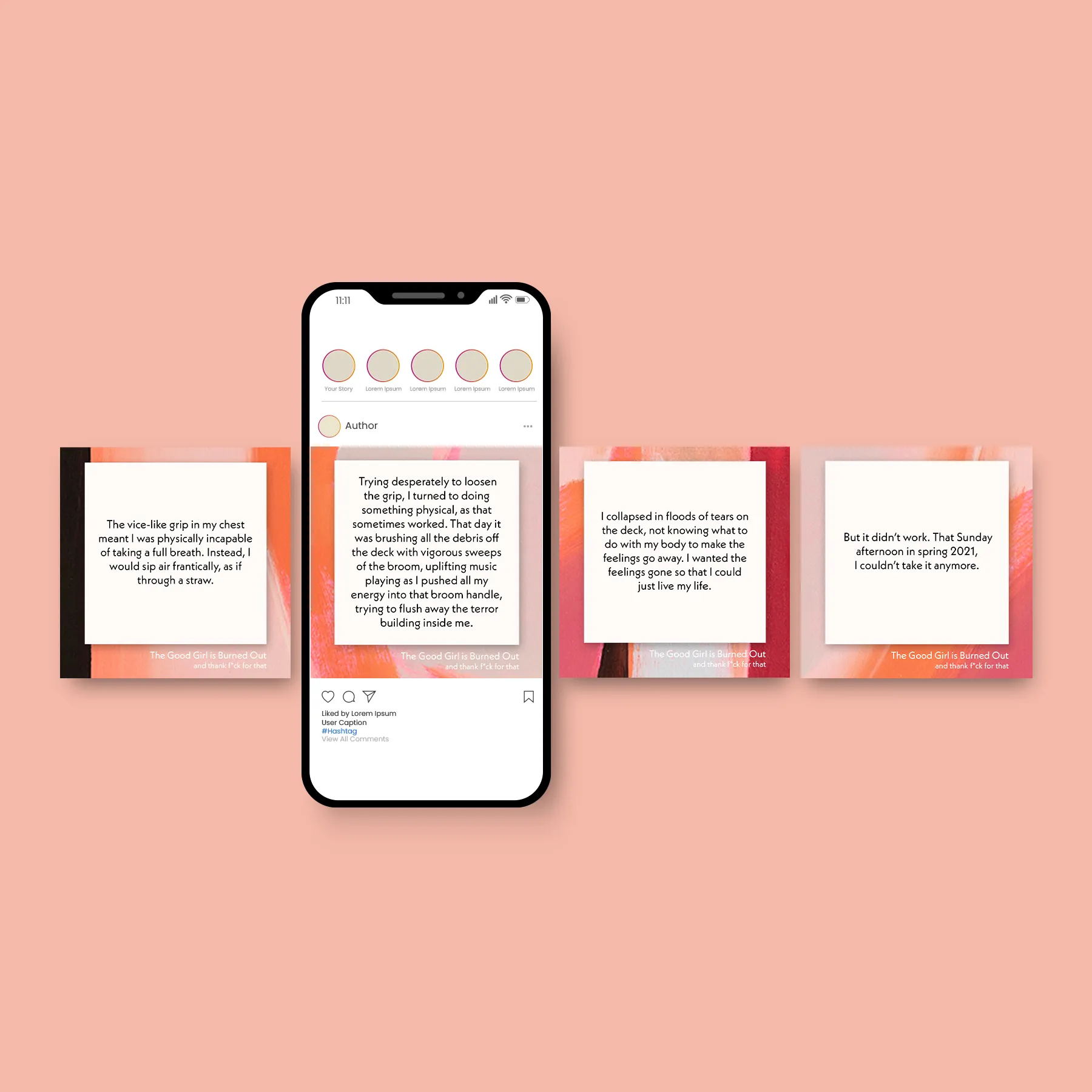
You’ve poured months, or maybe even years, into writing your book. You went through the countless edits and finally sent it off for design. Then, after the cover and interior are complete and ready to be printed, the reality hits: now I have to market this thing. Here’s the truth I wish every author knew before they reached that stage:
Your book cover isn’t just a design—it’s the beating heart of your book marketing strategy.
In fact, I’d go so far as to say it’s the most important piece of your book marketing puzzle. Done right, it’s not just a pretty package; it’s a visual identity you can build your entire promotional plan around. This isn’t about making the cover “nice” or “eye-catching” for the sake of it. This is about designing a cover so aligned with your message, audience, and goals that every time you look at it, you can’t wait to share it.
Why the cover belongs at the centre of your marketing
Think of launching your book like launching a business. You need to:
- Identify your target audience
- Define your author brand voice
- Choose the channels where your readers actually spend time
- Possibly create marketing personas to clarify exactly who you’re speaking to.
Makes sense, right? But here’s where most authors stumble: they treat the book cover as a final flourish, something that happens after all the strategic work—when in reality, it’s a strategic marketing asset that can lead and inform your promotional efforts from day one. If you build your book cover marketing strategy around your design, you’re creating a consistent, recognisable identity. People know your book at a glance, whether they see it on Instagram, at a bookstore, or on a tote bag at a book fair.
The power of “cover branding”
One of the biggest missed opportunities I see is authors designing a beautiful cover… and then stopping there. Instead, think of your cover as the foundation for your entire visual branding strategy. The colours, fonts, imagery, and tone can—and should—flow into every piece of marketing you create. Let’s call it cover branding, because, well… I like it.
Here’s what that might look like in practice:
- Social media graphics: Instagram carousels, Facebook/LinkedIn banners, and Pinterest pins are all instantly recognisable because they echo your cover’s look.
- Event swag: Bookmarks, postcards, tote bags, or mugs that feature your cover design elements.
- Merchandise: T-shirts, hoodies, wall calendars (imagine one quote from your book for each month!), magnets, or notebooks.
- Digital assets: Zoom backgrounds, newsletter headers, or downloadable PDFs with your cover aesthetic.
Thanks to print-on-demand services, you don’t need to order boxes of merch in advance. You can create limited runs for events, pre-order bonuses, or giveaways. The benefit? Every touchpoint with your audience reinforces your author brand—and now you have one.
Cover branding in action
Here’s how I’ve seen authors successfully use their book cover as a marketing asset, which helped them be more memorable and hit their goals faster.
A few days ago, my client, Jonathan Hutton, emailed me after we finalised the cover:
“Thanks again for all of your work on this. The cover really feels like a reflection of the story I’m telling in the book, and I can’t wait to hold a print copy.”
When you feel connected to your book’s visual identity, you naturally become its biggest advocate. Every social post, podcast pitch, and event appearance becomes an opportunity, not a chore. Jonathan took it up a notch and created promotional swag: bookmarks, stickers, and stamps for notebooks using the cover’s design elements (check out his amazing bookmarks!).

I’ve created a whole bunch of social media graphics, a branded note card (to send a little note together with the book to podcast hosts) and bookmarks for another client of mine, Ana-Maria Georgieva, author of “The Legacy Codex”. My long-time client, Melissa Giomi (I designed her 4 books), used bookmarks as a giveaway at a local author fair and said they were a big hit that made people stop at her booth.
The common thread? These authors used cover branding not as decoration, but as a book marketing strategy. Their covers became a toolkit for reinforcing their brand at every turn.
Why book marketing shouldn’t wait until the end
Here’s a pattern I see over and over: an author finishes their manuscript, hires a designer, and only after the cover is finalised do they start thinking about marketing. I understand why—it’s tempting to focus all your energy on “just getting the book done.” But here’s the catch:
Marketing shouldn’t be the last step. It should be something you consider from the moment your book is just an idea. As my guest from The Indie Book Lab session, Amanda Laird from Slow & Steady Studio, put it simply:
“I don’t think it’s ever too early to start thinking about marketing.”
When you think about your book marketing early, your design process becomes intentional, strategic, and aligned with your audience.
Questions that drive strategic book design (and help with book marketing strategy)
When I start working with an author, I always ask questions like:
- Why did you write this book (the deeper reason—not just “to tell a story,” but the impact you want to have)?
- Who is this book really for (think beyond “everyone” and get specific about age, interests, challenges, values)?
- What kind of experience do you want readers to have when they see the cover or open the book?
- How will you be sharing this book with the world (events, social media, podcasts, PR, book fairs)?
These answers directly influence design choices. They help me create covers that aren’t just visually striking but are aligned with how you plan to put your book into the world. This also lays the groundwork for using your book cover as a marketing asset, making it easy to build a whole strategy around it.
How to turn your cover into a marketing asset
Here’s a step-by-step framework to make your book cover marketing practical and actionable:
- Audit your book’s visual identity
- Does this cover reflect the tone and feel of my book?
- Will it stand out in my genre?
- Does it speak directly to my target reader?
- Extract design elements
- Pull colours, fonts, textures, and icons from your cover to use in marketing assets.
- Build a cover branding kit
- Ask your designer for high-resolution cover images, isolated title/logo files, and supporting graphic elements.*
- Map out your marketing assets
- Social media graphics, website banners, PR kits, event displays, and swag.
- Plan for longevity
- Your cover isn’t just for launch—it can support years of book marketing through seasonal posts, anniversaries, reader features, and related projects.
* Be prepared, it may come with a cost. Some designers don’t share elements of the cover separately. This is a great question to ask when meeting with potential designers for your cover.
Cover as a marketing powerhouse
Your book cover isn’t just packaging. It’s a marketing powerhouse. When you see it as the visual heartbeat of your author brand, you stop treating it like a one-time deliverable and start using it to fuel everything—from Instagram posts to tote bags to book club guides.
So if you’re still writing, start thinking about book cover marketing now. Let that awareness shape your design process. If your book is already designed, ask yourself: Does my cover feel like me? Does it make me excited to share my book with the world?
If the answer is yes, you’ve got the best kind of book cover marketing asset—one that works with you, not against you.
Ready to take your book marketing to the next level? Explore book marketing design options and turn your book cover into a marketing asset!

Leave a Reply